
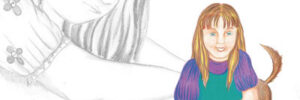
A book for children and parents that confronts OCD. It is an excellent resource for parents and for doctors who wish to better understand how to help children deal with this debilitating psychological illness.
A book for children and parents that confronts OCD. It is an excellent resource for parents and for doctors who wish to better understand how to help children deal with this debilitating psychological illness.

Forty easy cognitive behavioral exercises to help teens move past their symptoms and live freely and flexibly, without fear.

Eleven-year-old Sarah is confused, embarrassed, and frustrated by her need to count things but finally talks with her mother and a therapist, who diagnoses OCD and gives Sarah techniques for coping with her symptoms.

A whimsical and upbeat read of a child’s view of dealing with her Obsessive Compulsive Disorder experiences.

Owl helps his raccoon friend see that there is nothing wrong with her and educates her about the ways she can manage her OCD.
Devon calls it “controlling things.” His doctor calls it obsessive-compulsive disorder. When Devon starts at a new school, his compulsions start to get him in trouble, and before long he realizes that his only choice is to confront his behaviors and the events that trigger them.
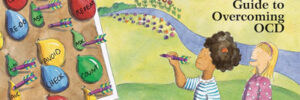
Can kids learn to outsmart OCD? Yes―and this workbook shows them how!
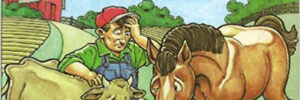
This storybook describes the mechanisms of OCD and its most common symptoms. Using animals as the main characters, it is humorous, heartwarming and inspiring.
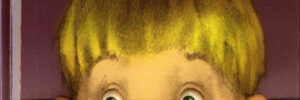
Kevin knows his actions don’t make sense; he wants to stop, but the worry thoughts keep coming. A therapist tells Kevin and his parents that Kevin has OCD and that, more importantly, he can be helped.
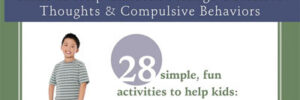
If your child’s OCD is holding them back from living the happy childhood you want for them, this easy-to-read and practical workbook can help them cope with symptoms and really thrive—at home, in the classroom, and well into adulthood.