
By Vinay Krishnan
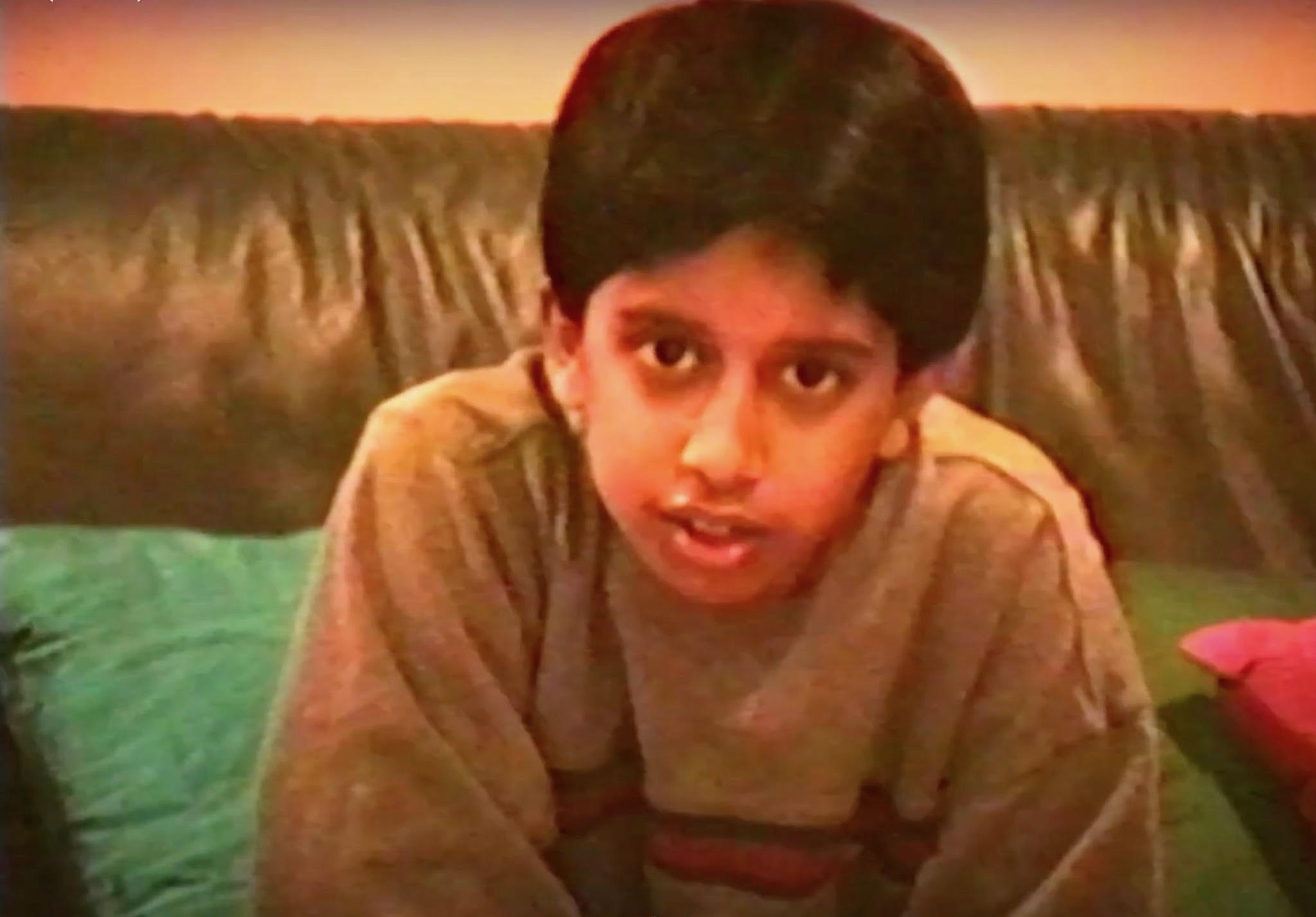
My OCD has always manifested itself through a debilitating fear of harm coming to loved ones and to myself, a subset of OCD called Harm OCD. This showed up most prominently after the September 11th, 2001 attacks in New York. The violent imagery and loss of life stuck to my brain and sparked all sorts of hypothetical violent intrusive thoughts and threats that I’d spend hours imagining every day, to which I would respond with repeated mental and physical reassurances of safety (calming words and affirmations, locking and re-locking the front door). Over the following years, this cycle of obsessions and compulsions would lead to long bouts of depression, of insomnia, and of self-harm. I was 13 on 9/11/2001, I didn’t start medication for my illness until 2012, I didn’t start Exposure and Response Prevention treatment until 2016, and I didn’t find medication that kept me stable until 2020. That is a long long time to go without feeling secure and fully functional. If I knew to see the signs of my illness and if I knew to seek treatment earlier, I could have saved myself over a decade of painful dysfunction and mental torment, and my symptoms would have been far easier to course-correct at an early age than they were later on.
Now, I’m well versed in a variety of tools that keep me safe and healthy. I know to write exposure scripts when my OCD gets intense, I know that mindfulness meditation practices help me process intrusive thoughts without getting stuck to them, and I use a combination of antidepressants and anxiety medications that keep my symptoms far more manageable than they were for most of my life. I’ve told my story in a variety of contexts and mediums–speaking about OCD for NPR, Good Morning America, and as part of the documentary An Unquiet Mind–and I work as a community organizer trying to dismantle some of the systemic barriers that prevent people from accessing and affording the healthcare they need.
Again and again, I remind people still grappling with their OCD symptoms that learning to sit with uncertainty rather than fighting it off is the key to living the life you want with OCD. If folks can learn to do that, they can engage in whatever is most important to them, they can live joyful lives, they can hold stable jobs and provide for their families and do all the things OCD is perhaps telling them is currently impossible to do. I’m 38 now and living a life far beyond any of my expectations or dreams growing up, one filled with joy and companionship and artistry and adventure. That may all feel far-fetched to people growing up with OCD or to people just learning how their OCD works, but there are plenty of tools available now to help folks sit with doubt and gradually loosen OCD’s grip on us. I’m sending everyone some love and strength and lightness on their journey.
While every experience with OCD is different, far too many kids and families face the same barriers to getting answers and effective treatment. See what new IOCDF findings reveal about pediatric OCD care—and what we can do to change it—in Losing Childhood to America’s OCD Care Crisis.

Leave a Reply