
By Stuti Pemmaraju
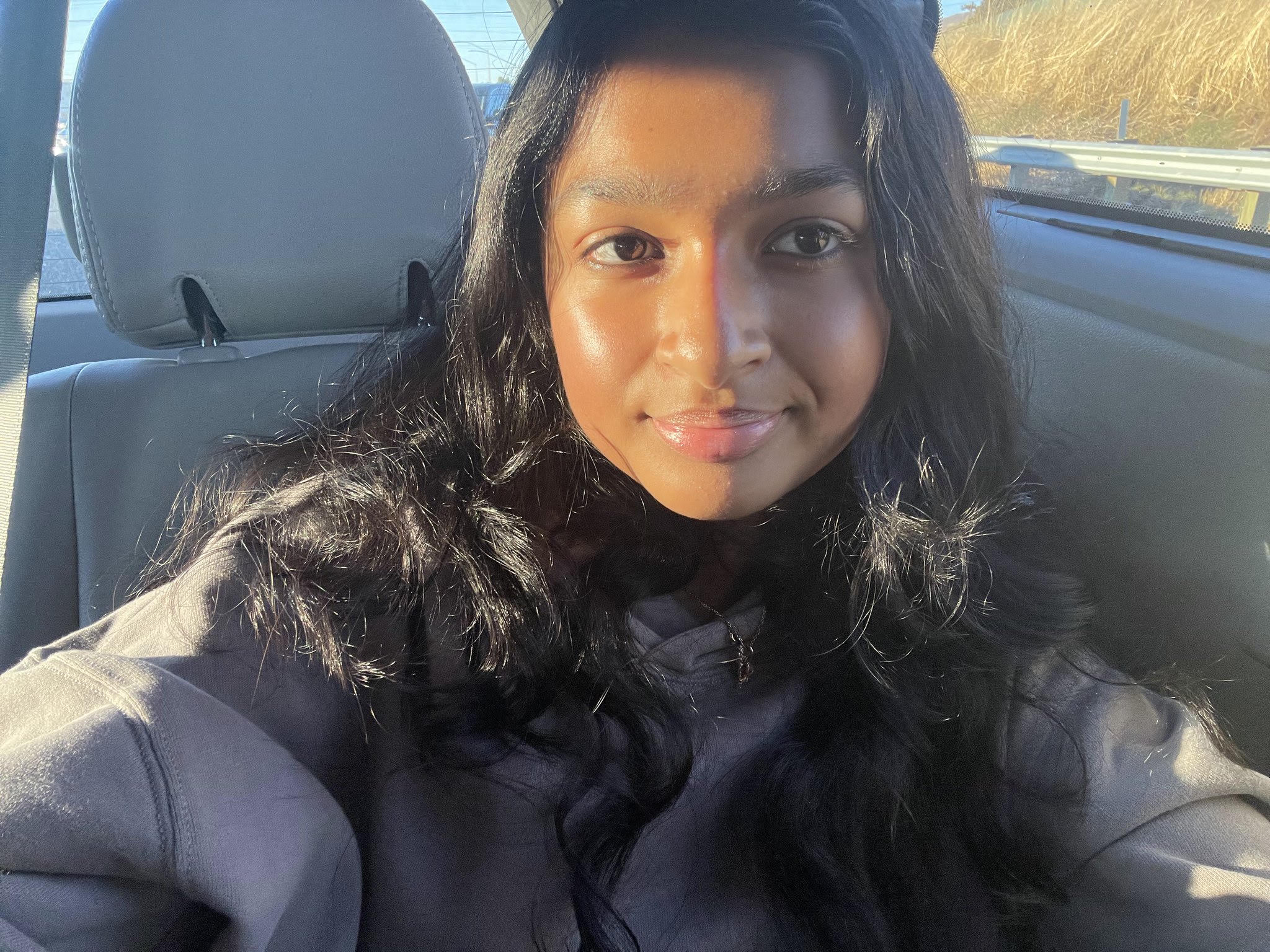
I cannot pinpoint the exact moment that I first began experiencing symptoms of OCD, but my earliest recollection of a compulsion was during my fifth-grade distance learning class. The pandemic altered life for many people, and for me the biggest change was my obsessive thoughts. As a kid, I was easily scared—I would avoid watching horror movies and had a terrible fear of clowns and ghosts. During that time, those fears became intertwined with my OCD; as my compulsions got more frequent and terrifying, so did my obsessions. I found myself looking at the four corners of my room, turning the lights on and off, counting even or odd numbers more progressively, and looking behind my shoulder whenever I was alone, just to check if someone was watching me.
A few years later, middle school began, and my OCD was the worst it had ever been. Compulsions became more constant, and arbitrary thoughts quickly turned into obsessions that dictated my every move, making simple tasks seem like life-or-death situations. My OCD was controlling me, and I didn’t know that I had OCD—it never occurred to me that my thoughts were not normal. Looking back now, I recognize many themes my obsessions had taken over the years, including morality, harm, and identity fears. Every day, I somehow pushed through, mentally exhausted. From the outside, I looked like anyone else, but internally I was fighting a battle I thought everyone was expected to endure.
The conversation I had with my parents about my OCD after silently battling it for years was one of the most difficult things I’ve had to do. Mental health isn’t something that is generally acknowledged in South Asian communities, so I didn’t know how my parents would react. Thankfully, they were very understanding and helped me begin ERP therapy, which I have been doing for the past two years.
Even after coming to terms with this condition and learning techniques to fight it, I still struggled a lot this past year with frequent panic attacks and depressive episodes. It was then that my psychologist and I decided to move forward with medication.
Having OCD taught me that mental health is not linear and that there will always be bad moments. The most important thing is to keep pushing through, because not trying only makes the struggle worse. Something that helped me come to terms with my OCD was using writing as an outlet for my experiences, and finding interest in mental health advocacy and policy research.
OCD is something I navigate every day, but it is no longer something I face alone. I learned that while I cannot always control the thoughts my mind brings me, I can control how I respond to them. My message to other teenagers who are struggling is this: OCD is definitely a big part of your story, but it is not the entirety of who you are. You are so much more than your OCD, and remember that it does not define you.
While every experience with OCD is different, far too many kids and families face the same barriers to getting answers and effective treatment. See what new IOCDF findings reveal about pediatric OCD care—and what we can do to change it—in Losing Childhood to America’s OCD Care Crisis.

Leave a Reply